CBD oil turning brown can be a cause for concern for many users.
We will delve into the reasons behind this phenomenon, including factors like exposure to light and air that lead to discoloration.
Explore the effects of oxidation on the composition of CBD oil and its potential health implications.
Learn about preservation techniques, signs of spoilage, and alternative applications for discolored CBD oil.
Discover more about assessing quality and maximizing the benefits of your CBD oil.
Key Takeaways:
- CBD oil turns brown due to oxidation, exposure to light and air, and certain factors in its composition.
- Oxidation can alter the potency and potentially affect the health benefits of CBD oil.
- Proper storage and packaging techniques can help preserve the quality and potency of CBD oil.
Introduction
CBD oil, known for its various health benefits, can undergo a noticeable change in color, turning brown, due to exposure to factors such as direct sunlight and air.
When CBD oil is exposed to direct sunlight, it starts to undergo a process called oxidation, which leads to the breakdown of its active compounds. This oxidation process not only alters the color of the oil but can also impact its overall stability and efficacy.
Air exposure can further accelerate the oxidation of CBD oil, hastening the color change from its natural hue to a darker shade. This color change serves as a visual indicator of the oil’s oxidation and degradation.
Understanding the shelf life and oxidation process of CBD oil is crucial for consumers to ensure they are using a product that maintains its potency and effectiveness over time. By storing CBD oil in a cool, dark place and sealing it properly to minimize air exposure, individuals can prolong its shelf life and maintain its original color and quality.
Understanding the Phenomenon
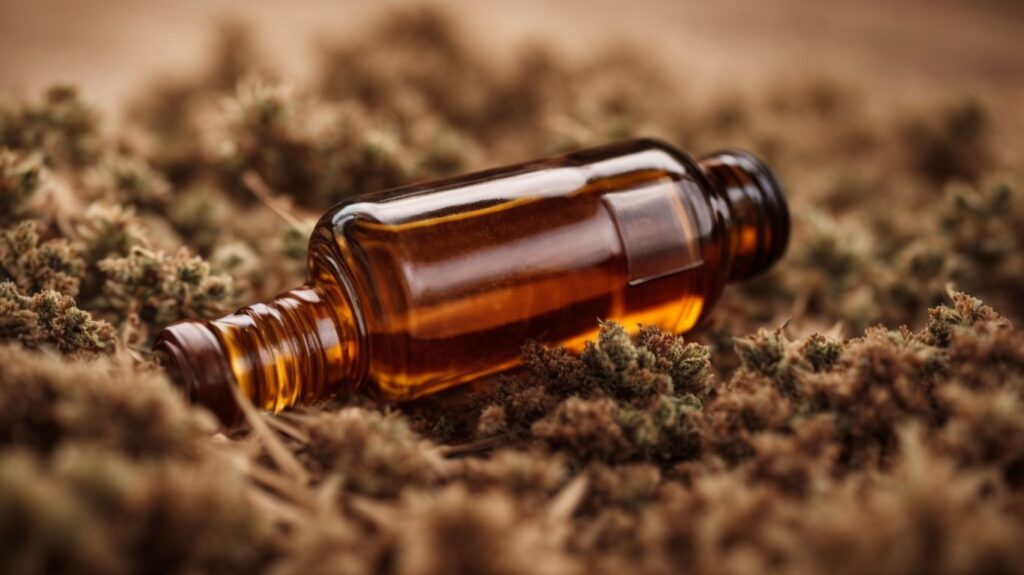
To comprehend why CBD oil turns brown, it is essential to delve into its stable nature, health benefits, susceptibility to direct sunlight and air exposure, and the processes that lead to color changes.
One of the key factors contributing to the browning of CBD oil is its chemical composition. CBD oil contains various compounds, including cannabinoids, terpenes, and flavonoids. When exposed to light and air, these compounds can undergo a process known as oxidation, leading to color changes. Oxidation is a natural chemical reaction that occurs when molecules interact with oxygen, resulting in the breakdown of compounds and the formation of new ones.
The shelf life of CBD oil plays a significant role in its color stability. As CBD oil ages, its chemical composition may change, making it more prone to oxidation and color alteration. Proper storage in a cool, dark place can help slow down these chemical processes and preserve the oil’s color and potency. Interactions with light can speed up the oxidation process, intensifying the browning of CBD oil.
Reasons for CBD Oil Turning Brown
The discoloration of CBD oil, resulting in it turning brown, can be attributed to various factors such as oxidation, chemical reactions, and changes in its chemical composition.
When CBD oil is exposed to oxygen, especially when stored improperly or in clear containers, it undergoes oxidation, wherein the molecules react with the air and degrade over time. This process is accelerated by light and heat exposure, speeding up the chemical reactions within the oil. Interactions between CBD and other compounds present in the hemp extract can also lead to color changes. These reactions can reduce the oil’s purity and overall quality, affecting its potency and potentially shortening its shelf life.
Factors Leading to Discoloration
Several key factors contribute to the discoloration of CBD oil, including chemical shifts, the oxidation process, presence of hemp compounds, clarity changes, and the impact on its shelf life.
When CBD oil is exposed to factors like light, heat, and air, chemical reactions occur that can alter the composition and appearance of the oil. These reactions involve the oxidation of lipids present in the oil, leading to the formation of compounds that impact its color. The natural compounds found in hemp, such as chlorophyll and carotenoids, also play a role in the discoloration process. Oxidative reactions can result in the oil turning from its original clear or golden hue to a darker color, indicating a decrease in freshness and quality.
Impact of Light and Air
Light and air exposure play a crucial role in the browning of CBD oil, with factors like UV rays, oxidation, oxygen contact contributing to its degradation and color changes.
Direct exposure of CBD oil to sunlight triggers a chain reaction of oxidation processes, leading to the breakdown of its compounds. This can significantly reduce the potency and effectiveness of the oil over time. UV rays, specifically, can accelerate this process, causing molecular changes that affect the overall quality of the product. Oxygen exposure can introduce unwanted reactions, altering the chemical composition and potentially compromising the therapeutic properties of the oil.
Effects of Oxidation
Oxidation of CBD oil can result in various effects, including changes in THC content, alterations in cannabinoids, and potential impacts on shelf life and quality when exposed to UV rays, heat, or light.
When CBD oil undergoes oxidation due to exposure to external factors such as UV rays, heat, or light, it can lead to the degradation of THC levels, which may inadvertently alter the oil’s psychoactive properties. In addition, the oxidation process can also affect the overall composition of cannabinoids present in the oil, potentially impacting its therapeutic benefits and flavor profile.
UV rays, heat, and light can accelerate the oxidation process, breaking down the compounds in CBD oil and diminishing its efficacy over time. Therefore, proper storage in a cool, dark place is crucial to maintain the integrity and potency of CBD oil.
Changes in Composition
The discoloration of CBD oil due to oxidation can lead to significant changes in its composition, potentially impacting its shelf life, chemical reactions, presence of hemp compounds, and overall quality.
When CBD oil undergoes oxidation, its oxidative breakdown alters the concentrations of cannabinoids, terpenes, and other phytochemicals present. This discoloration is often accompanied by changes in aroma and taste, affecting consumer perception. The degradation of fatty acids can decrease the oil’s nutritional value and bioavailability. The presence of antioxidants in hemp extracts can mitigate oxidation, extending the product’s longevity. Prolonged exposure to light, heat, and oxygen can accelerate discoloration and spoilage, rendering the oil less potent and less effective over time.
Potential Health Implications
The browning of CBD oil can have potential health implications, affecting its health benefits, oxidation levels, shelf life, degradation, chemical reactions, and exposure to oxygen.
When CBD oil turns brown, it may signal a breakdown in its chemical composition, potentially altering its efficacy and safety for consumption. This change in color often indicates oxidation processes taking place within the oil, which can lead to a reduction in active compounds and antioxidant properties.
Monitoring the color of CBD oil can serve as an important indicator of its freshness and stability. This discoloration is often caused by exposure to light, heat, or air, all factors that can accelerate the degradation of the oil’s beneficial components.
Preservation Techniques
Effective preservation of CBD oil involves implementing proper storage conditions, such as using air-tight, dark-colored containers, refrigeration, and considering carrier oils to minimize exposure to UV rays and maintain its quality.
When storing CBD oil, it is crucial to keep it away from light and heat, as these factors can degrade its potency. Placing the oil in a refrigerator can help maintain its freshness for longer periods. Opting for carrier oils like MCT or hemp seed oil can not only enhance the oil’s bioavailability but also offer additional protection against oxidation.
- Labeling the containers with the date of purchase can assist in keeping track of the oil’s shelf life.
- Regularly checking the seal on the container is also recommended to prevent any potential leakage.
Proper Storage Methods
Implementing proper storage methods is crucial to prevent CBD oil from turning brown, addressing factors like oxygen exposure, chemical shifts, rancidity risks, carrier oil selection, and monitoring expiration dates.
When exposed to oxygen, CBD oil can undergo oxidation, leading to a change in color and potentially altering its chemical composition. This oxidation process can also increase the likelihood of rancidity, affecting both the flavor and efficacy of the oil.
Selecting the appropriate carrier oil, such as MCT oil or hemp seed oil, can further enhance the stability and shelf life of the CBD product. Regularly checking expiration dates is essential to ensure the potency and safety of the oil, as expired products may lose their therapeutic benefits.
Utilizing Protective Packaging
Protective packaging is essential in safeguarding CBD oil from turning brown, extending its shelf life, maintaining quality, ensuring freshness, and meeting third-party lab requirements.
When exposed to light, heat, or oxygen, CBD oil is susceptible to degradation, potentially altering its chemical composition and diminishing its effectiveness. The use of protective packaging acts as a shield against these environmental factors, helping to maintain the cannabinoid profile and potency of the oil. This not only ensures a consistent product experience for consumers but also plays a vital role in upholding regulatory standards and industry best practices. Quality packaging is, therefore, a non-negotiable aspect of the CBD oil production process.
Assessing Quality
Evaluating the quality of CBD oil involves assessing its color changes, shelf life, purity, expiration dates, and the impact of refrigeration on maintaining its overall integrity.
When examining the color of CBD oil, a clear golden hue is often an indicator of high quality, while a dark or cloudy appearance may suggest impurities.
- For shelf life considerations, proper storage in a cool, dark place away from direct sunlight is crucial to prevent degradation over time.
- Assessing purity involves looking for third-party lab testing results to confirm the absence of contaminants like pesticides or heavy metals.
- Monitoring expiration dates on CBD products is essential to ensure potency and effectiveness.
- Refrigeration can help prolong the freshness and efficacy of CBD oil by slowing down the oxidation process.
Signs of Spoilage
Identifying signs of spoilage in CBD oil, such as rancidity, expiration date discrepancies, shelf life issues, and non-compliance with third-party lab standards, is crucial for ensuring product safety.
Noticing a rancid odor in CBD oil may indicate oxidation, a process that can lead to quality deterioration. Expiry dates are not merely suggestions; they serve as indicators of freshness and effectiveness. Shelf life challenges arise when proper storage conditions are not maintained, risking degradation of the oil’s beneficial compounds. Non-adherence to third-party lab testing can signify a lack of transparency and quality control, posing potential health risks to consumers.
Testing for Potency
Conducting potency tests on CBD oil is essential to evaluate its effectiveness, monitor degradation over time, assess shelf life, comply with expiration dates, and meet third-party lab requirements.
These tests play a crucial role in ensuring that the CBD oil retains its intended therapeutic properties and delivers optimal benefits to consumers. Efficacy assessments help determine the concentration of active cannabinoids, providing valuable insights into the product’s potency. Monitoring degradation assists in identifying any changes in chemical composition that may affect the oil’s efficacy.
Assessing shelf life allows manufacturers to establish accurate storage recommendations and maintain product quality. Compliance with expiration dates is vital for consumer safety and regulatory adherence, ensuring that consumers receive safe and effective products. Adhering to third-party lab protocols enhances transparency, credibility, and trust in the quality of the CBD oil.”
Utilization of Discolored CBD Oil
While discolored CBD oil may indicate changes in chemical composition or potential rancidity, exploring its utilization options, considering factors like direct sunlight exposure, air contact, and shelf life implications, can provide insights into alternative applications.
When CBD oil becomes discolored , it may suggest alterations in its molecular structure due to exposure to light or oxygen, potentially leading to oxidation and lipid peroxidation. These changes not only affect the oil’s color but also its taste, aroma, and nutritional value. Combating these factors by storing the oil in opaque containers, minimizing air exposure, and monitoring its shelf life can help maintain its quality and potency. Understanding the impact of environmental elements on CBD oil can guide users in making informed decisions about its usage and storage.
Viability for Consumption
Assessing the viability of discolored CBD oil for consumption involves considering factors like shelf life, quality maintenance, potency retention, degradation risks, expiration dates, refrigeration needs, and insights from expert opinions such as Dr. Preet Pal Singh Bhinder.
When examining shelf life, it’s crucial to note that discolored CBD oil may have undergone certain chemical changes affecting its overall stability and safety.
Quality standards must be upheld to ensure that the discolored oil remains free from contaminants or impurities that might have contributed to its discoloration.
To maintain potency, it’s essential to monitor the storage conditions carefully, guarding against factors like heat and light exposure that could accelerate degradation.
Alternative Applications
Exploring alternative applications for discolored CBD oil can involve repurposing its hemp and plant compounds, considering changes in degradation, chemical composition, shelf life impacts, and potential health benefits in non-standard usage scenarios.
When repurposing discolored CBD oil, one may discover that the incorporation of hemp and other plant compounds could lead to novel products, such as sustainable materials or alternative medicines. Understanding alterations in degradation patterns is crucial, as it may offer insights into enhancing the oil’s usefulness through innovative processing techniques. Monitoring shifts in chemical composition can open avenues for developing new formulations with unique properties.
Assessing the impacts on shelf life could reveal strategies to extend the longevity of these products, ensuring their efficacy and safety over time. Exploring the potential health benefits in unconventional settings might unveil previously undiscovered therapeutic effects, expanding the scope of wellness applications beyond traditional uses.